CHEN LAB
Postdoc Recruitment 【中文】
Cross-Kingdom RNA × Agricultural Frontiers
The Chen Lab Warmly Invites Exceptional Postdoctoral Talents to Join Us
Where does the boundary of RNA truly lie?
For decades, RNA was seen merely as an “intermediate carrier” of genetic information. It then evolved into the central regulator of gene expression, ushering in the eras of RNA interference and RNA therapeutics.
Today, a more fundamental question is emerging: Is the reach of RNA confined to a single cell or a single species? Or can it shatter biological boundaries, facilitating a profound “dialogue” between insects and plants?
Within the intricate insect-plant interaction system, we have observed a groundbreaking possibility—RNA acting as a cross-kingdom information carrier that transcends traditional biological limits. This is the heartbeat of our research:
Cross-Kingdom RNA (ckRNA)
Our Research Focus
Using the aphid-plant interaction system as our primary model, we systematically explore:
The Breach: How RNA crosses species boundaries and executes its function.
The Impact: The role of RNA in host selection, environmental adaptation, and resistance formation.
The Blueprint: Decoding and reconstructing the flow of cross-kingdom RNA information.
Our Ultimate Mission: To build a designable, observable, and applicable research framework for cross-kingdom RNA and to spearhead the innovation of next-generation RNA biopesticides.
Featured Direction: Building Cutting-edge Spatial “Territory” Technology
We are pioneering a methodologically transformative direction—the development of Cutting-edge Spatial “Territory” Technology.
“Territory” refers to the core scientific puzzle: In the journey between species, in what specific space and under what exact conditions does RNA actually exert its power?
We are dedicated to:
Developing cutting-edge spatial analysis tools to define the functional “territory” of RNA at the insect-plant interface.
Establishing strategies for the precise reconstruction and micro-environmental manipulation of RNA action sites.
Constructing spatial modeling frameworks and analytical structures for cross-species RNA functional fields.
Advancing mechanism-driven spatial analysis methodologies.
The Goal: To move cross-kingdom RNA research from “does it work?” to “where and how does it work?”, providing a pioneer methodological foundation for the entire field.
Our Objectives
Mechanism: Decipher the laws governing ckRNA in insect-plant systems and reveal how it influences biological traits and fitness.
Methodology: With Cutting-edge Spatial Technology at its core, build a spatial analysis system and a suite of tools for observation and intervention.
Application: Drive the molecular design and functional realization of RNA biopesticides, translating basic research into green agricultural technologies.
Who We Are Looking For
Holders of a Ph.D. (or nearing completion) in Biology, Molecular Biology, Bioinformatics, or related fields.
Proven Track Record: At least one first-author publication in a high-level journal (JCR Tier 2 or above).
Preferred Expertise (in one or more):
RNA biology or mechanistic RNA research.
Insect or plant molecular biology.
Spatial biology, imaging technologies, or methodology development.
Bioinformatics and computational analysis.
Mindset: A deep passion for interdisciplinary challenges and methodological innovation. You must be capable of independent research while thriving in a collaborative, cross-functional environment.
Why Choose Us?
This is a nascent, high-potential frontier. You won’t just be “analyzing mechanisms”; you will be:
Redefining the boundaries of RNA action.
Building the framework for spatial analysis and intervention.
Architecting the early layout of the RNA biopesticide industry.
At the Chen Lab, you will:
Lead your own mechanistic or cutting-edge spatial projects.
Have the autonomous scientific space to truly drive the direction of a field.
Develop independent research capabilities by solving real-world scientific puzzles.
Engage in direct, continuous dialogue and collaboration with top international peers.
Compensation & Support
Competitive postdoctoral salary (aligned with university/institutional standards).
Performance-based research bonuses.
Full Support for applications to Postdoctoral Foundations, NSFC Young Scientist Funds, and various prestigious talent programs.
How to Apply
Please send the following materials to [email protected] with the subject line “Postdoc Application + [Your Name]”:
A comprehensive CV (with photo).
PDFs of representative publications.
A brief research proposal (1–2 pages).
Learn More:
Research: chenyazhoulab.com/research/
Publications: chenyazhoulab.com/publications/
Final Word
The boundaries of RNA are not yet fully defined. We care about more than just finding them—we want to define the space in which RNA acts and then design that space using Cutting-edge Spatial Technology.
If you are fueled by curiosity and ready to tackle this interdisciplinary frontier, join the Chen Lab. Let’s pioneer the new world of Cross-Kingdom RNA together!
2026 PhD Student Recruitment Notice
【Lab Introduction】
The Chen Yazhou Lab, affiliated with the College of Plant Science and Technology at Huazhong Agricultural University, is dedicated to the long-term study of the molecular mechanisms of insect-plant interactions, using aphids as the primary model organism to explore the molecular dialogue between agricultural pests and their host plants. The lab integrates multidisciplinary approaches including molecular biology, genetics, bioinformatics, RNA imaging technology, and ecology, achieving breakthroughs in the following areas:
Main Research Interests:
- Cross-Kingdom RNAs: Investigating the mechanisms by which aphids deliver RNA molecules into plants and revealing how these molecules manipulate plant immune responses.
- Aphid Adaptive Evolution: Deciphering the genetic basis of host specialization versus broad-spectrum feeding in aphids through transcriptomics and genomics.
- RNA Imaging Technology: Developing advanced RNA visualization techniques to track the dynamics of cross-kingdom RNAs at the cellular level.
- Plant Defense Mechanisms: Elucidating plant immune signaling pathways and the resistance mechanisms of defensive metabolites against aphids.
- RNA Biopesticide Development: Exploring sustainable pest control strategies based on RNA interference (RNAi) technology.
Representative Publications (for details, see https://chenyazhoulab.com/publications/):
- Discovery that the brown planthopper secretes long non-coding RNAs (lncRNAs) into rice plants, reprogramming plant immune responses (bioRxiv, 2025).
- Revealing the dynamic regulatory mechanisms of aphid cross-kingdom RNAs in maize resistance (bioRxiv, 2025).
- Establishment of a cross-scale visualization technology system for RNA dynamics in whole plants (bioRxiv, 2025).
- Analysis of plant-induced transcriptional plasticity differentiating mechanisms in generalist versus specialist herbivores (bioRxiv, 2024).
Application Requirements:
- Background in Plant Protection, Botany, Entomology, Molecular Biology, Bioinformatics, or related fields.
- Strong interest in insect-plant interactions, RNA biology, or agricultural pest control.
- Good scientific research literacy, teamwork spirit, and English reading and writing skills.
- Both domestic and international students are welcome to apply. The lab will assist international students with their applications for the China Scholarship Council (CSC)
How to Apply:
- For domestic students: Please complete the online registration for the “Application-Assessment” system on the Huazhong Agricultural University Graduate Admissions Information website, and submit all application materials before March 12, 2026.
- For international students: Interested candidates are encouraged to email Professor Chen ([email protected]) directly to discuss the opportunity and explore CSC scholarship options.
Welcome outstanding students passionate about cutting-edge research in insect-plant interactions to join the Chen Lab!
Huazhong Agricultural University 2026 PhD Student Recruitment Brochure: https://yjs.hzau.edu.cn/2026bszsjz.pdf
Announcement on Extending the Application Period for the 2026 “Application-Assessment” PhD Programs: https://yjs.hzau.edu.cn/info/1026/862048.htm
Huazhong Agricultural University 2026 PhD Program Enrollment Directory: https://yjs.hzau.edu.cn/2026bszyml.pdf
2026 PhD Student Recruitment Notice
【Lab Introduction】
The Chen Yazhou Lab, affiliated with the College of Plant Science and Technology at Huazhong Agricultural University, is dedicated to the long-term study of the molecular mechanisms of insect-plant interactions, using aphids as the primary model organism to explore the molecular dialogue between agricultural pests and their host plants. The lab integrates multidisciplinary approaches including molecular biology, genetics, bioinformatics, RNA imaging technology, and ecology, achieving breakthroughs in the following areas:
Main Research Interests:
- Cross-Kingdom RNAs: Investigating the mechanisms by which aphids deliver RNA molecules into plants and revealing how these molecules manipulate plant immune responses.
- Aphid Adaptive Evolution: Deciphering the genetic basis of host specialization versus broad-spectrum feeding in aphids through transcriptomics and genomics.
- RNA Imaging Technology: Developing advanced RNA visualization techniques to track the dynamics of cross-kingdom RNAs at the cellular level.
- Plant Defense Mechanisms: Elucidating plant immune signaling pathways and the resistance mechanisms of defensive metabolites against aphids.
- RNA Biopesticide Development: Exploring sustainable pest control strategies based on RNA interference (RNAi) technology.
Representative Publications (for details, see https://chenyazhoulab.com/publications/):
- Discovery that the brown planthopper secretes long non-coding RNAs (lncRNAs) into rice plants, reprogramming plant immune responses (bioRxiv, 2025).
- Revealing the dynamic regulatory mechanisms of aphid cross-kingdom RNAs in maize resistance (bioRxiv, 2025).
- Establishment of a cross-scale visualization technology system for RNA dynamics in whole plants (bioRxiv, 2025).
- Analysis of plant-induced transcriptional plasticity differentiating mechanisms in generalist versus specialist herbivores (bioRxiv, 2024).
Application Requirements:
- Background in Plant Protection, Botany, Entomology, Molecular Biology, Bioinformatics, or related fields.
- Strong interest in insect-plant interactions, RNA biology, or agricultural pest control.
- Good scientific research literacy, teamwork spirit, and English reading and writing skills.
- Both domestic and international students are welcome to apply. The lab will assist international students with their applications for the China Scholarship Council (CSC)
How to Apply:
- For domestic students: Please complete the online registration for the “Application-Assessment” system on the Huazhong Agricultural University Graduate Admissions Information website, and submit all application materials before March 12, 2026.
- For international students: Interested candidates are encouraged to email Professor Chen ([email protected]) directly to discuss the opportunity and explore CSC scholarship options.
Welcome outstanding students passionate about cutting-edge research in insect-plant interactions to join the Chen Lab!
Huazhong Agricultural University 2026 PhD Student Recruitment Brochure: https://yjs.hzau.edu.cn/2026bszsjz.pdf
Announcement on Extending the Application Period for the 2026 “Application-Assessment” PhD Programs: https://yjs.hzau.edu.cn/info/1026/862048.htm
Huazhong Agricultural University 2026 PhD Program Enrollment Directory: https://yjs.hzau.edu.cn/2026bszyml.pdf
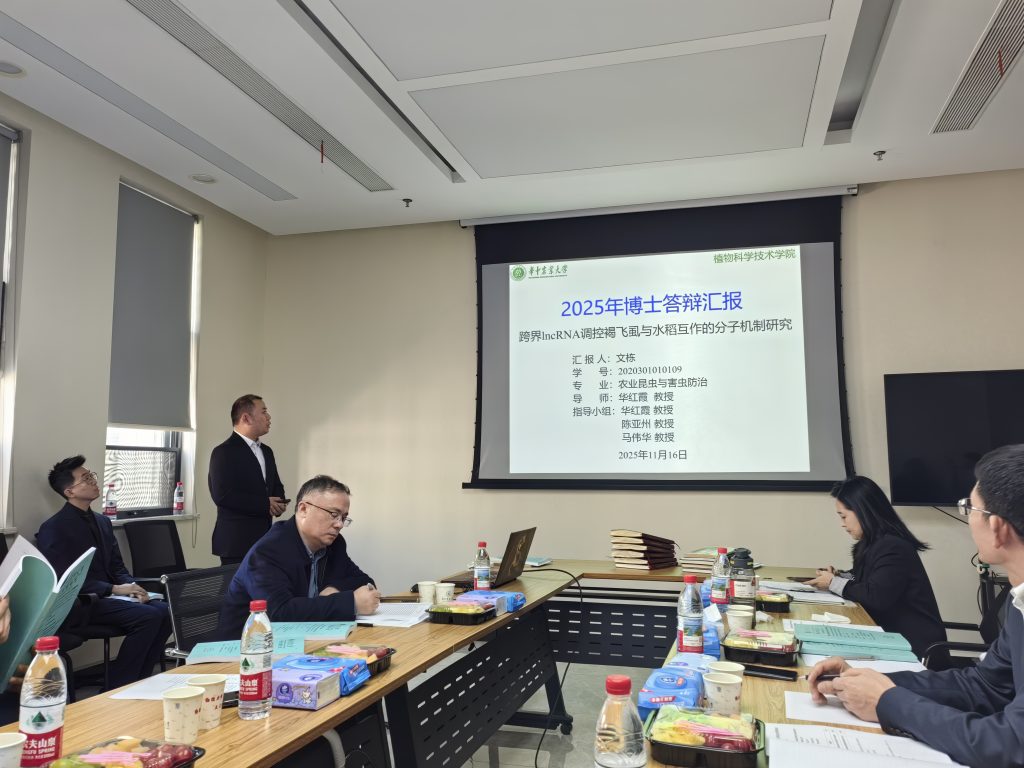
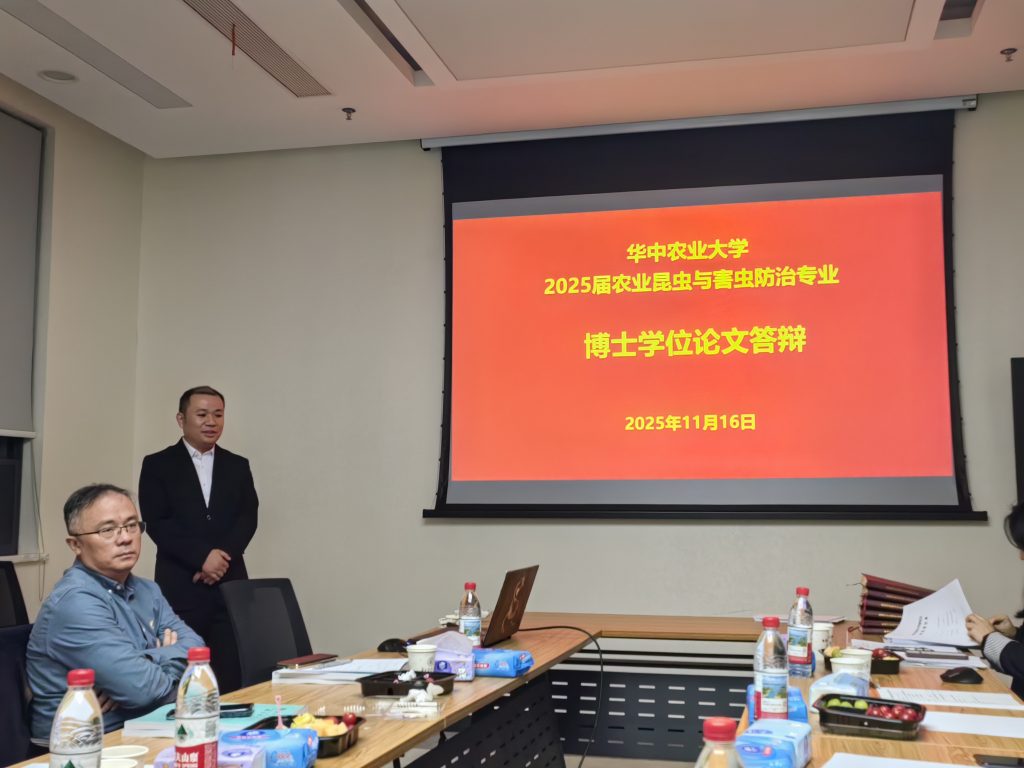
🎉 Congratulations to Dr. Dong Wen! 🎉
On 16th November, PhD student Dong Wen successfully defended his PhD dissertation in front of the academic committee. He will soon officially become Dr. Dong Wen—congratulations!
Dong was the first PhD student in the Chen Lab. His PhD project focused on understanding the mechanisms by which the brown planthopper colonizes rice plants. He took on the challenge of investigating the molecular processes mediated by insect-delivered RNAs, a newly emerging and highly innovative research topic.
Beginning his PhD journey in 2020, Dong made remarkable progress in uncovering how the brown planthopper (BPH) suppresses rice defenses. His work led to a groundbreaking discovery that BPH secretes diverse RNAs into rice to facilitate colonization, shedding new light on insect–plant interactions.
Congratulations, Dr. Dong Wen, on your outstanding achievements! The Chen Lab is proud of your hard work, discoveries, and dedication, and we look forward to your future scientific contributions.
On 2 November 2020, I walked into the empty B612 for the first time. With just four long benches and a small office, I, together with a newly hired assistant, started what we called the Insect–Plant Interaction Research Lab. At that moment, I had no idea what we might achieve in the next five years. The only thing I was certain about was that I had to become a “super postdoc.”
After seven years as a postdoc at the John Innes Centre, I had become fascinated by the pursuit of high-quality research. I learned that nothing meaningful could be achieved without holding ourselves to rigorous standards. In my first year as a PI, I devoted much of my energy to establishing and maintaining high standards across every aspect of the lab. Of course, these expectations also brought pressure to both myself and students, and learning how to balance ambition with sustainability became an important lesson for me over the past five years.
During the first four years, we had little to show in terms of publications. Yet, step by step, the group grew more professional. Students became actively engaged in academic activities, and—most importantly—their work consistently met the high standards we set together, even if publication took time. I was deeply satisfied with the spirit that gradually took root in the lab.
Our research has remained tightly focused on aphids—particularly aphid-delivered cross-kingdom RNAs, a newly emerging field of research. We invested heavily in developing methods and approaches of our own. Progress was slow in the first three years but accelerated in the fourth. By the fifth year, the team had made several groundbreaking discoveries (see our publications).
I am sincerely grateful to all members of the Chen Lab. Without your hard work, dedication, and collaborative spirit, today’s Chen Lab—transformed from a small, newly assembled group into a mature and professional research team—would not exist.
Yazhou
3rd November 2025 at Wuhan
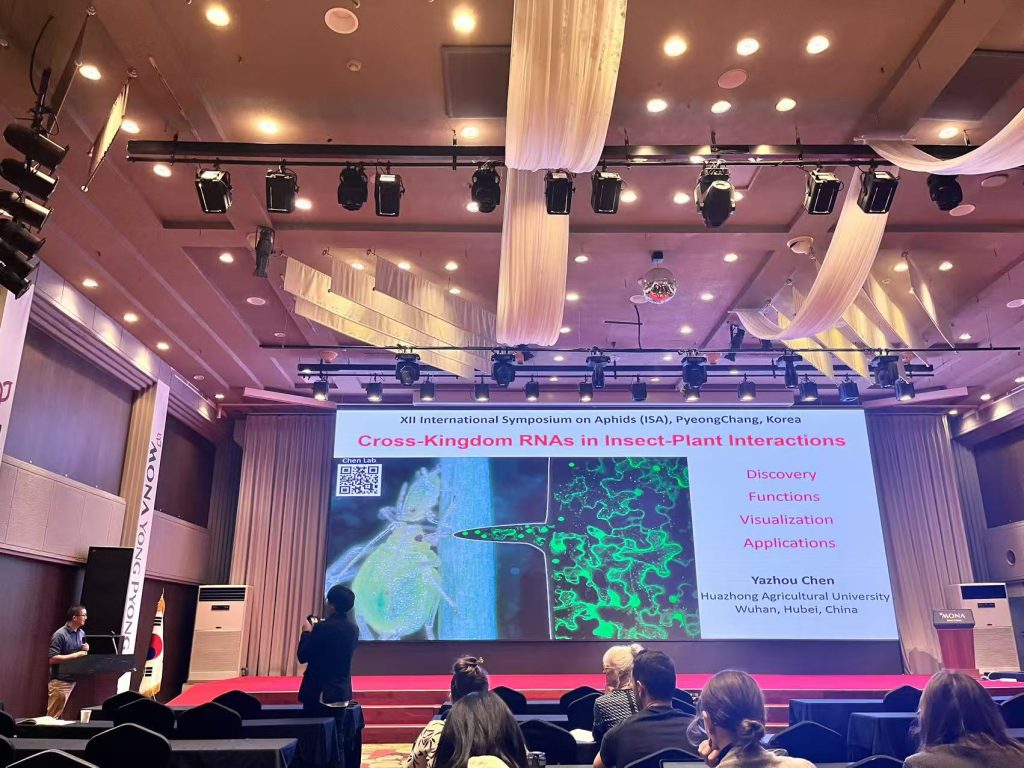
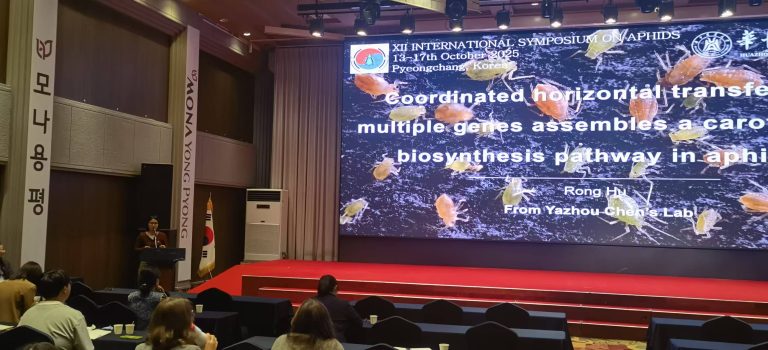
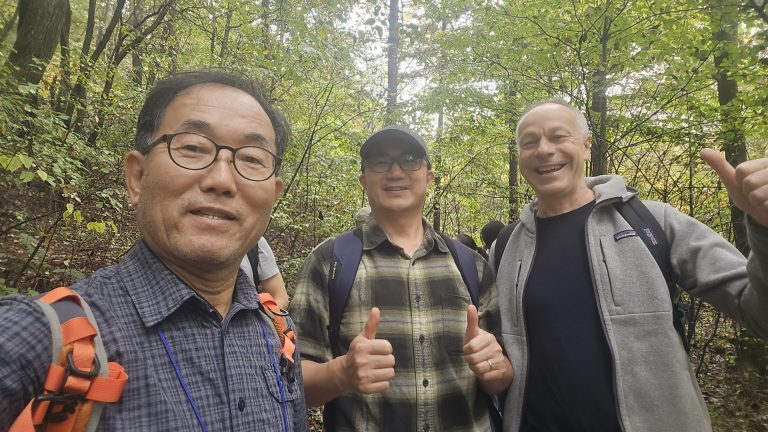
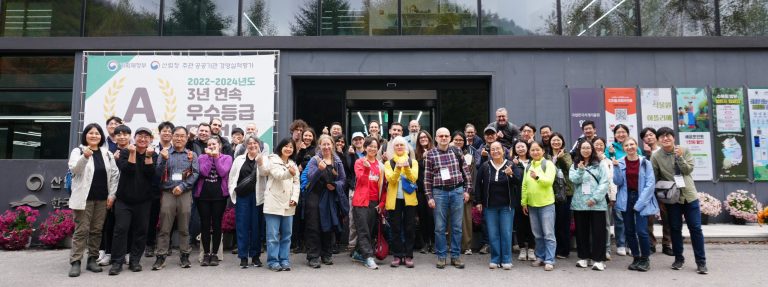
We attended the XII International Symposium on Aphids (ISA) held in PyeongChang, Korea, from October 13–17, 2025. Yazhou was invited as a keynote speaker, delivering a talk entitled “Cross-Kingdom RNAs in Insect-Plant Interactions.” PhD student Rong Hu presented her research titled “Coordinated Horizontal Transfer of Multiple Genes Assembles a Carotenoid Biosynthesis Pathway in Aphids.” Their presentations were very well received by aphidologists from around the world.
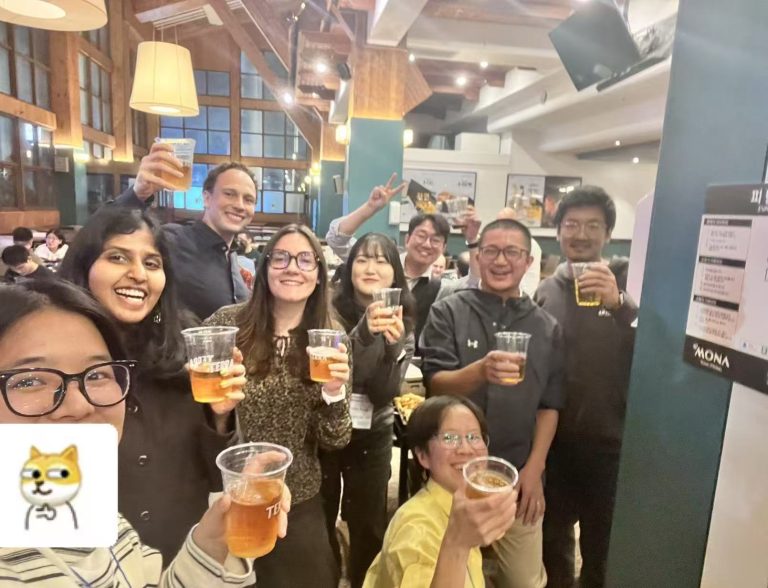
During the symposium, participants not only shared exciting new insights into aphid biology but also enjoyed experiencing Korean culture. We sincerely thank Professor Seunghwan Lee and his team for organizing such an excellent and memorable conference.
After the long National Day break, we’re back to work! The first task—cleaning our beloved insectary.
Many thanks to everyone who volunteered to help with the cleanup!
9th October, 2025
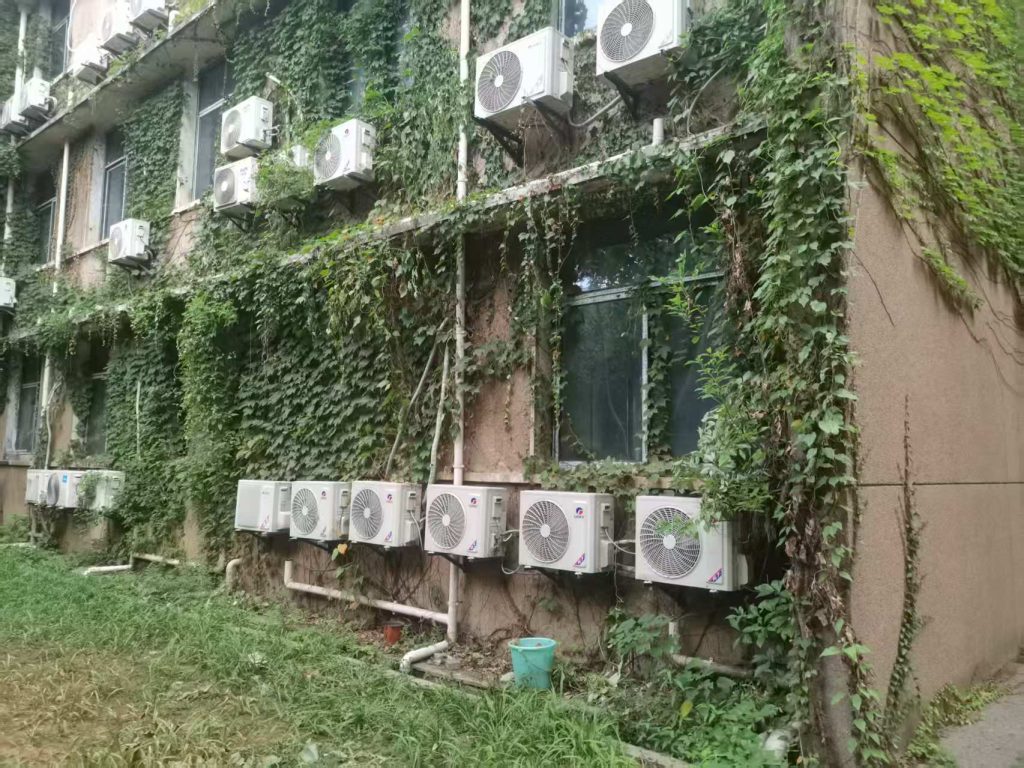
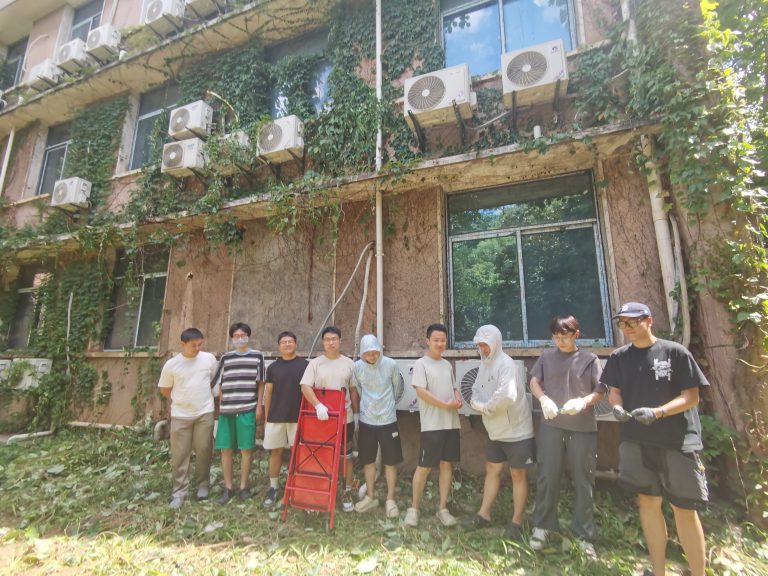
Recently, a heatwave hit Wuhan, and our air conditioners struggled to circulate properly due to Boston ivy covering the walls. The boys in the lab took swift action and cleared the ivy. Great job!


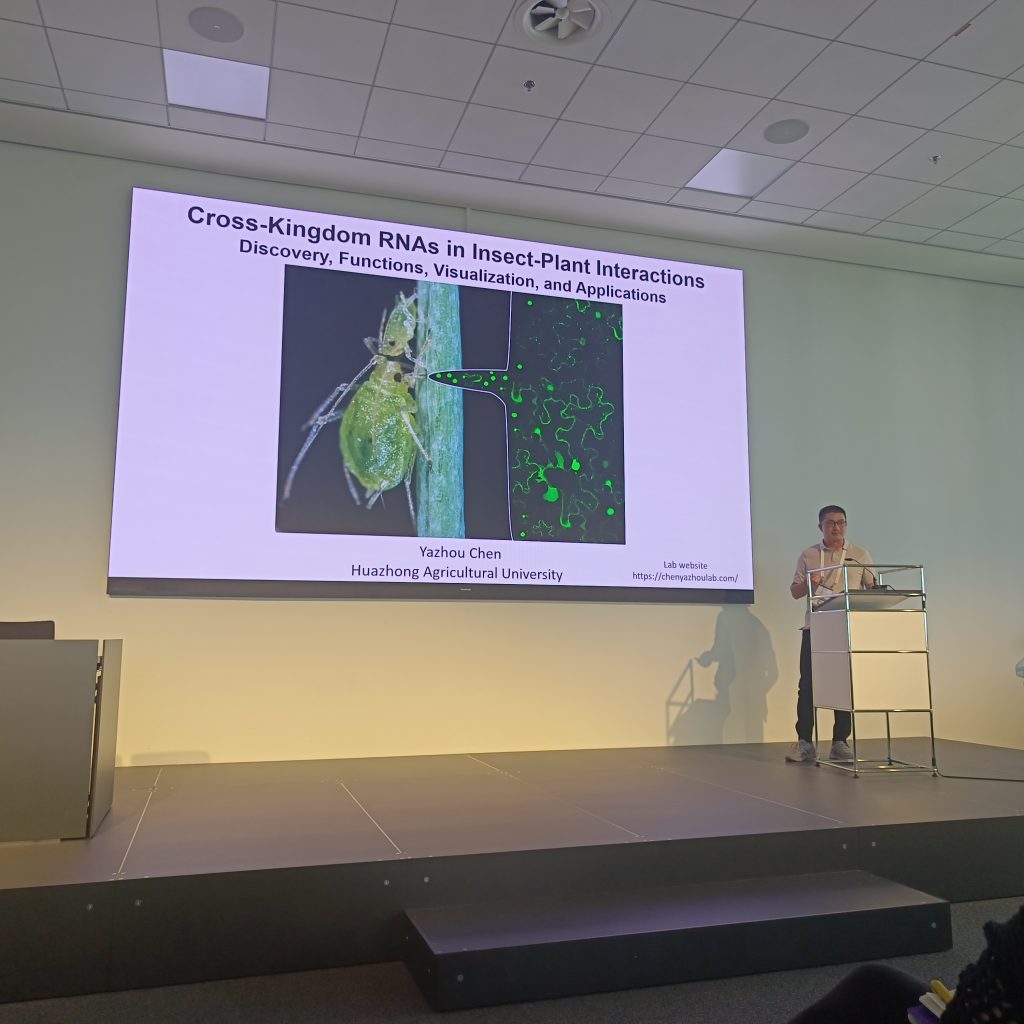
The IS-MPMI conference took place in Cologne, Germany, from June 13 to 18. Yazhou delivered a talk in the session “RNA on the Move,” chaired by Roger Innes (Indiana University) and Mahmut Tör (University of Worcester). Following the talk, researchers from the exRNA-Path community, which focuses on cross-kingdom RNAs, warmly welcomed his contribution and expressed strong interest in his work.
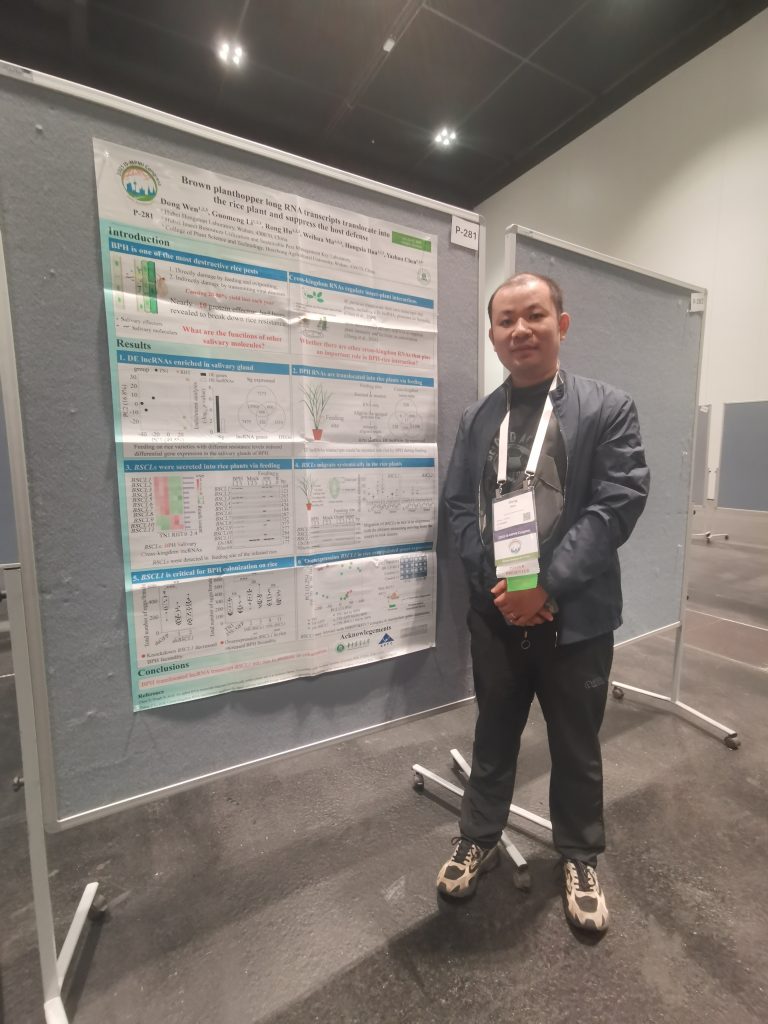
PhD student Dong Wen from the lab presented a poster at the conference. He actively engaged with international scientists during the poster session.
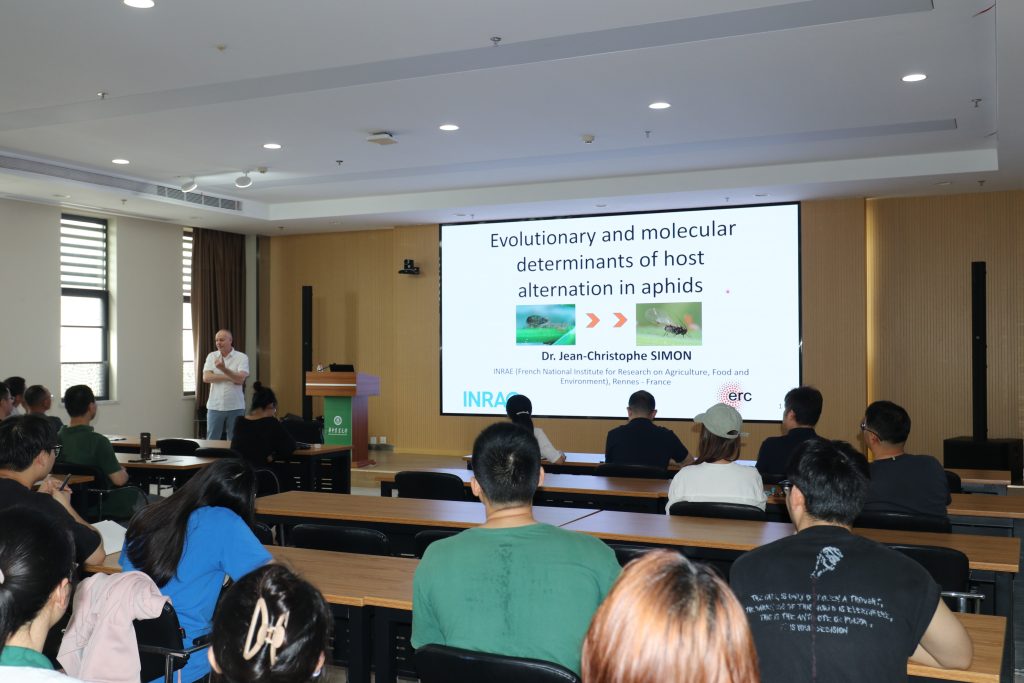
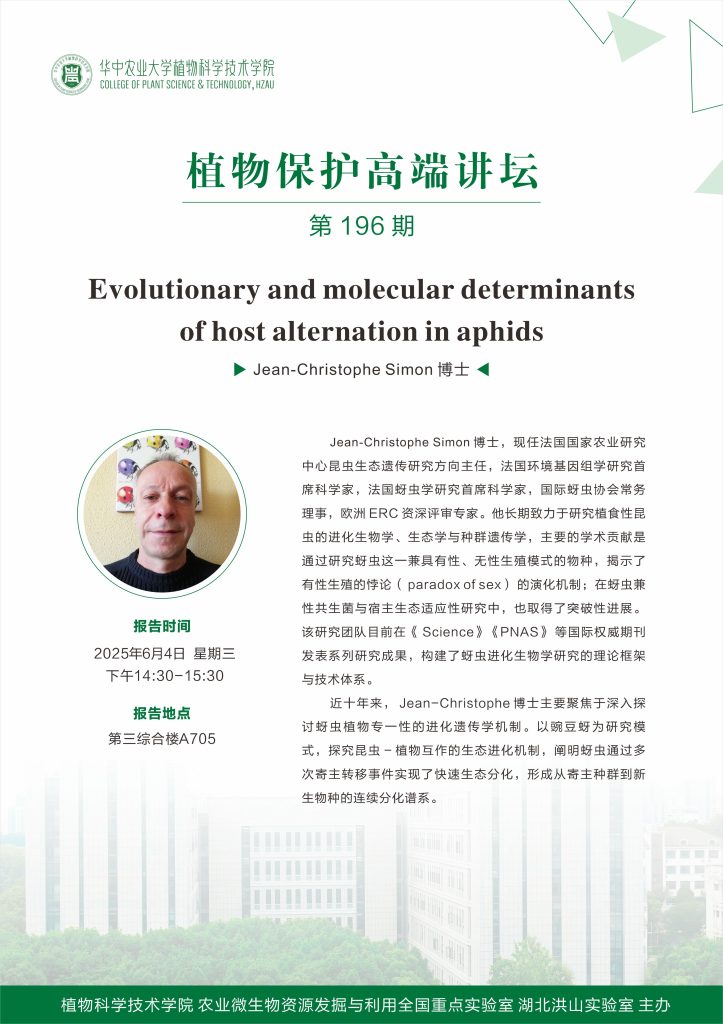
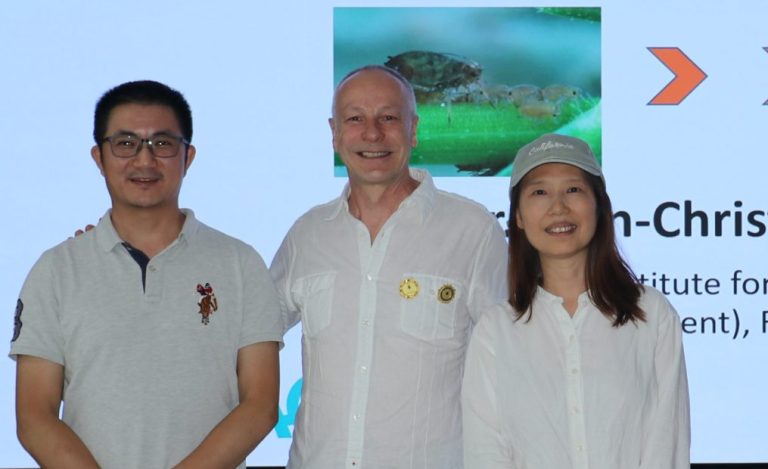
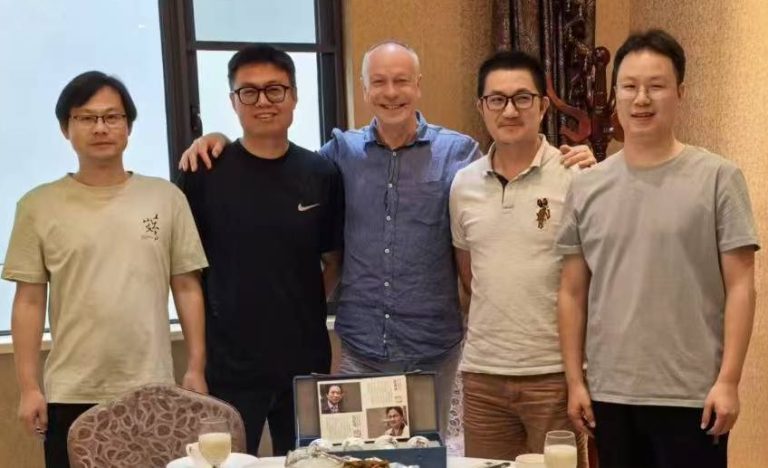
On June 4th, Dr. Jean-Christophe Simon from INRAE visited our lab. Dr. Simon is a leading aphid biologist. He presented his latest research on aphid host alternation. Following his seminar, Professor Changying Niu presented him with two handcrafted aphid models labeled with the species Acyrthosiphon pisum and Rhopalosiphum padi—two of Dr. Simon’s favorite aphids.
During his visit to HZAU, Dr. Simon actively engaged with students and faculty in the Department of Entomology, fostering lively discussions and scientific exchange.
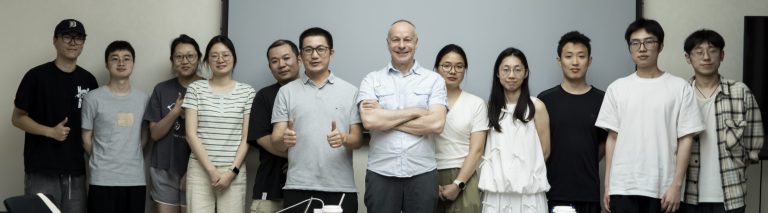
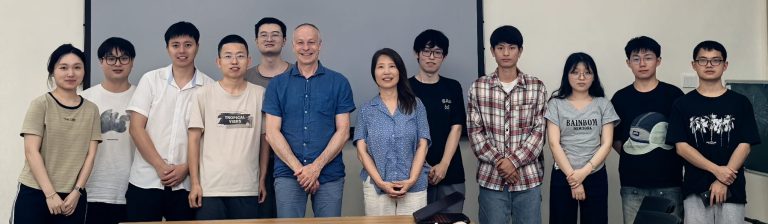
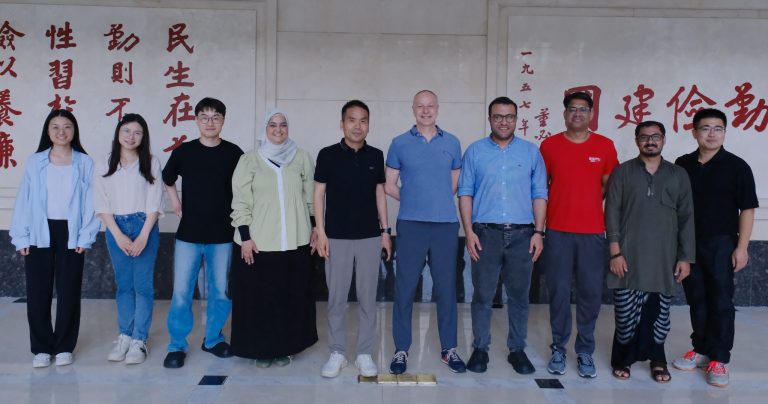
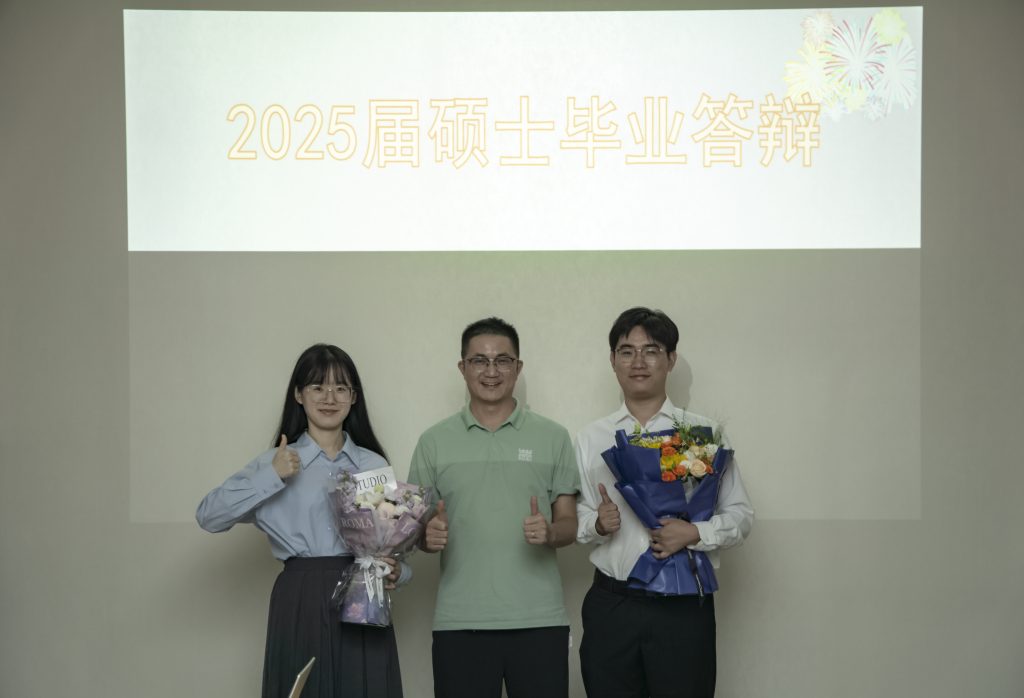
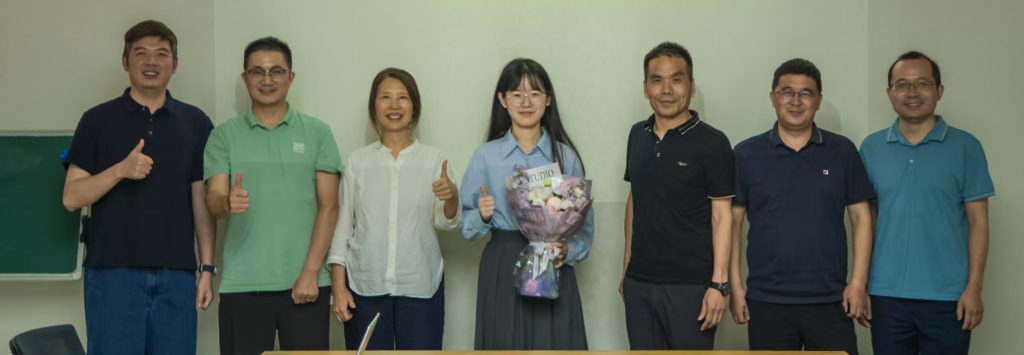
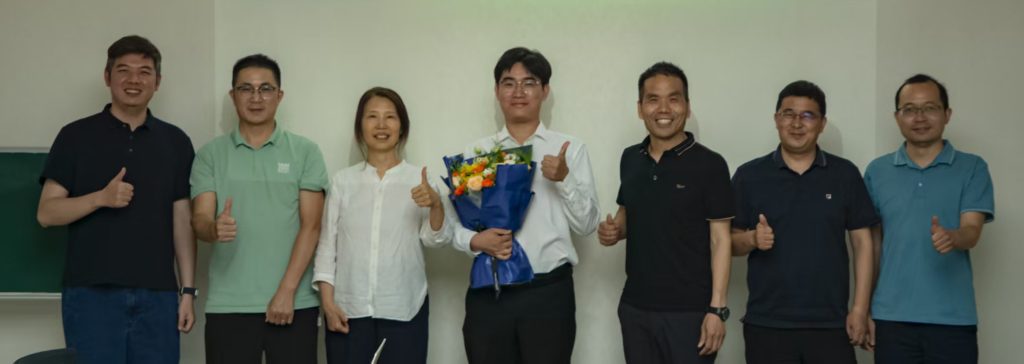
On May 21st, Tingfeng He and Zhimou Lin presented their master’s projects to the degree committee. They successfully defended their work before the committee, which examined their academic achievements and assessed their overall qualifications for the master’s degree. Ultimately, the committee members unanimously agreed that Tingfeng and Zhimou have made significant contributions to the field of insect-plant interactions. Their accomplishments meet the requirements for the Master’s degree—congratulations!
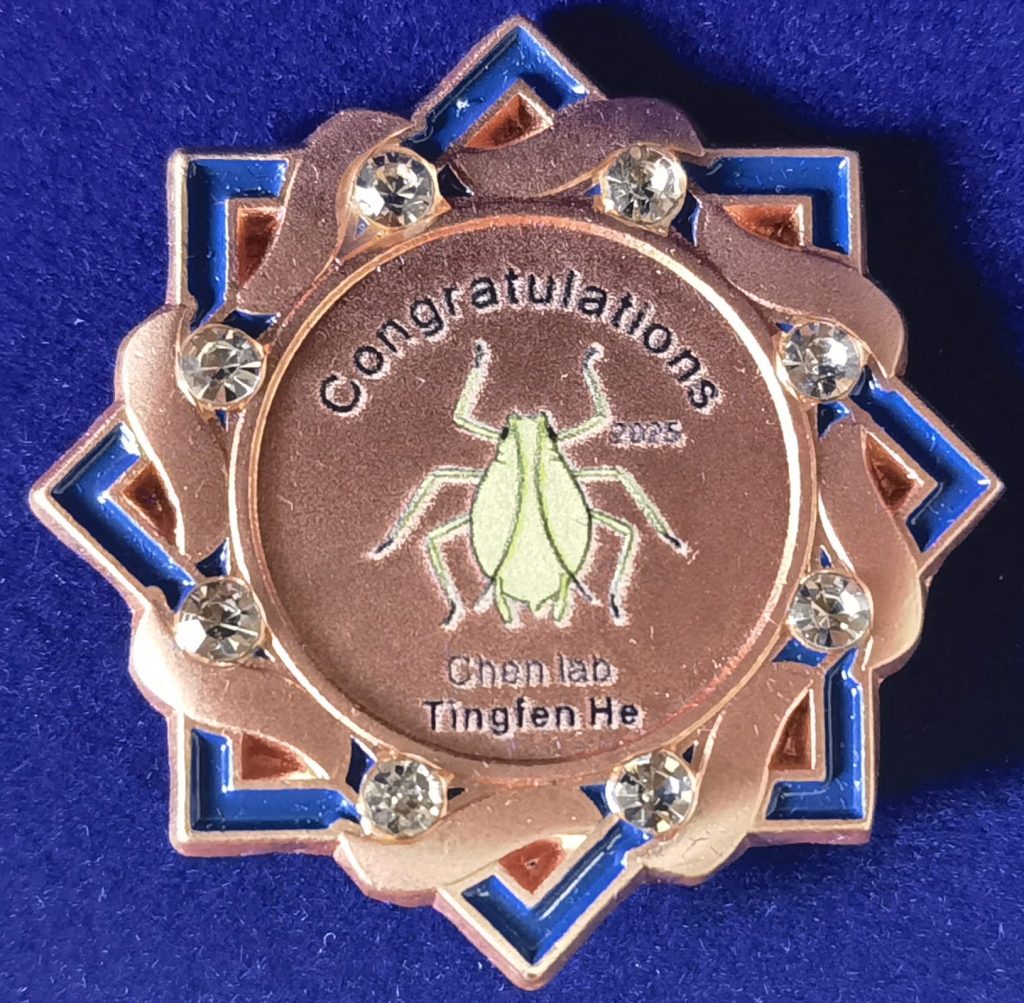
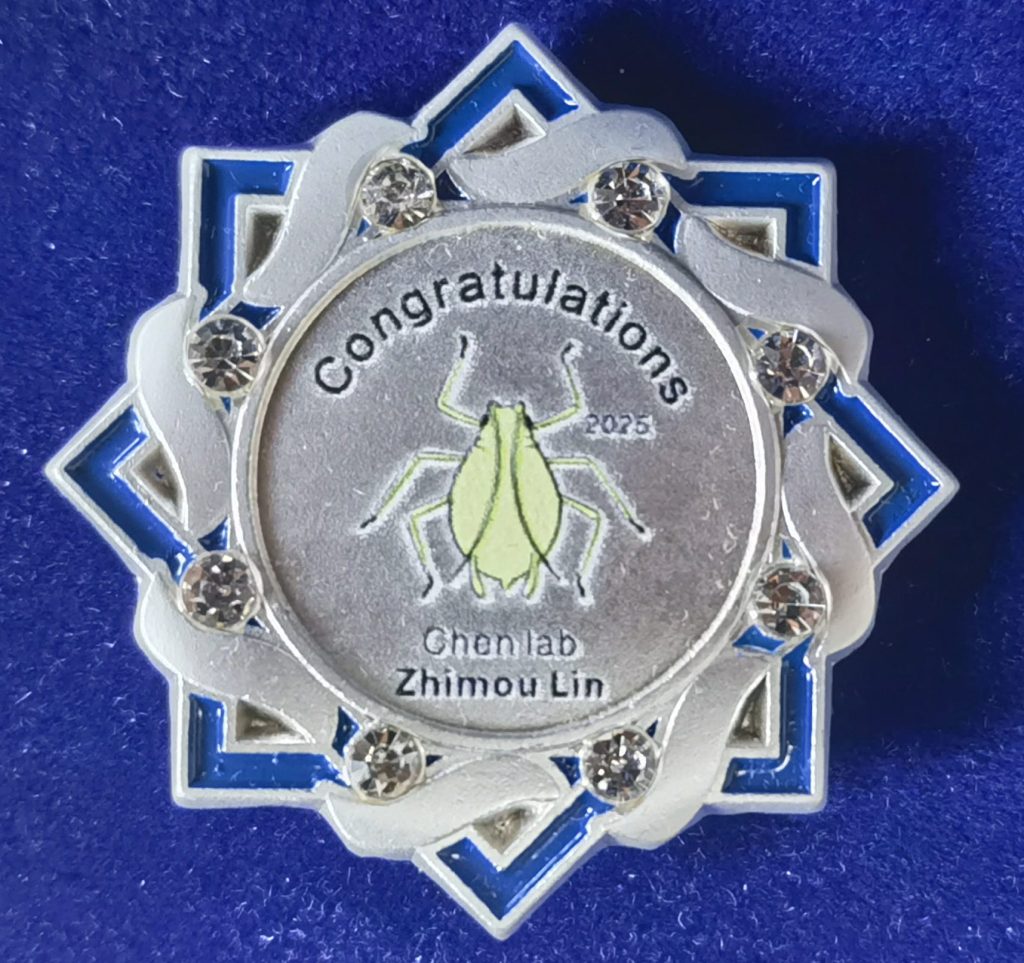
As a symbol of their contributions to the lab, Tingfeng and Zhimou were awarded Aphid Medals by the lab. Well done!
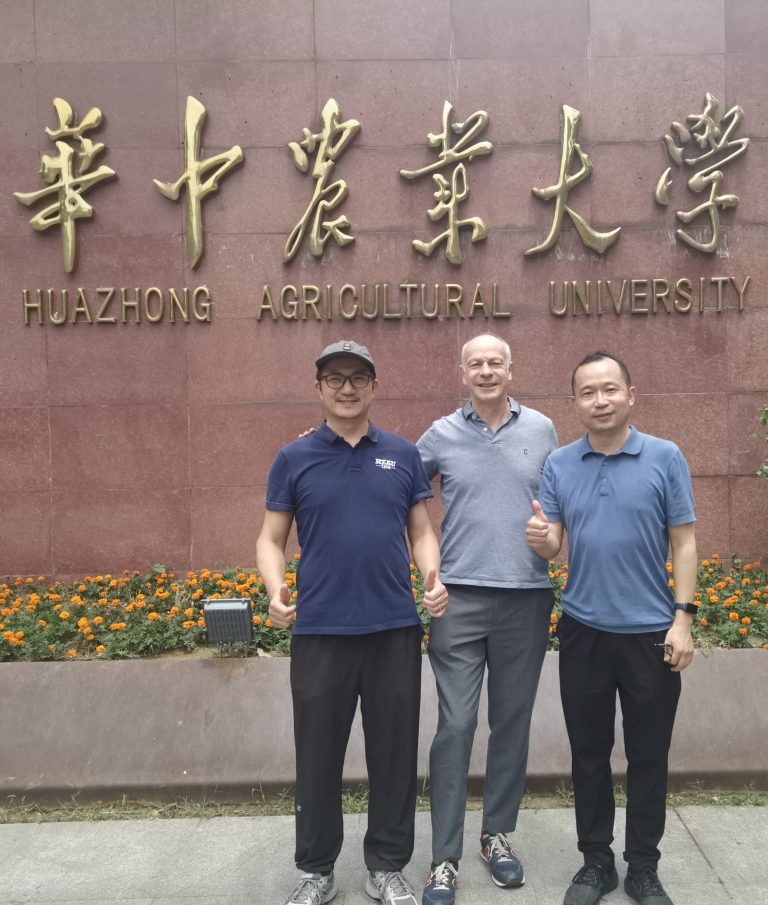
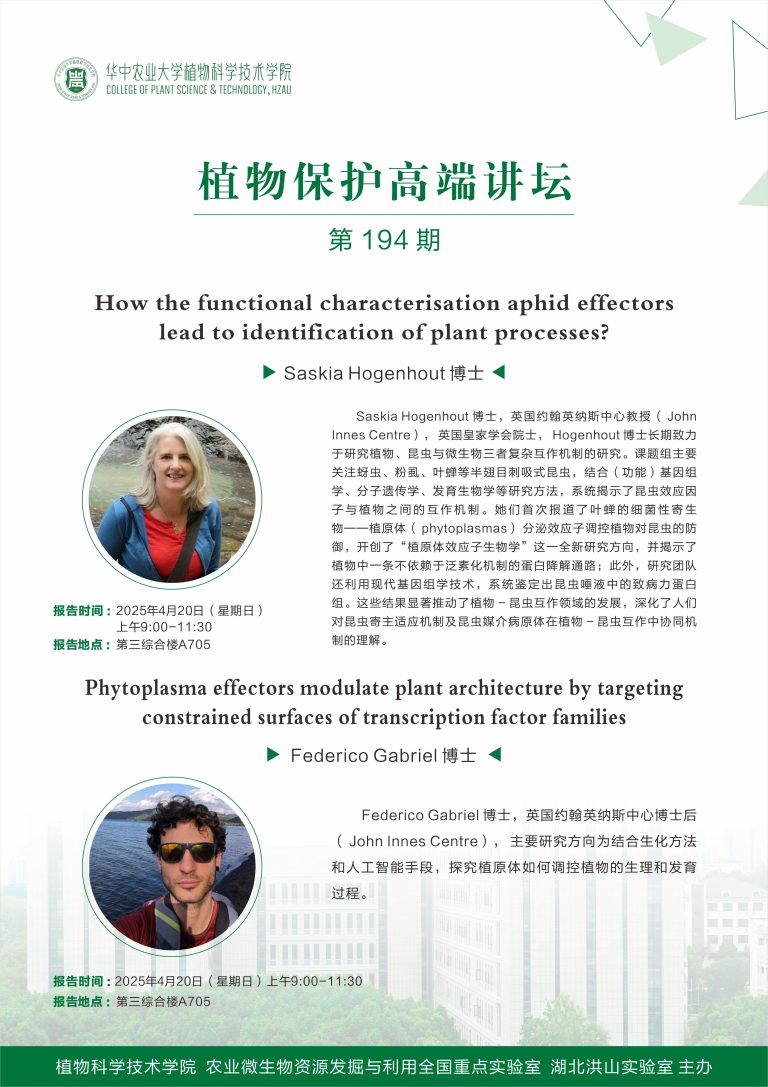
On April 19th, Saskia Hogenhout and Federico Gabriel visited our lab. It was the first time Yazhou‘s lab had met Saskia since Yazhou completed his postdoctoral training with her. Everyone was excited to meet their academic “grand-supervisor.” We enjoyed a wonderful time together on a Zhiyin cruise ship. During the trip, our student Rong Hu was unexpectedly interviewed by the host, and soon after, Yazhou and Saskia were interviewed as well. People on the deck were curious about the three generations of scientists, and the moment turned into a lovely and memorable experience for all of us.
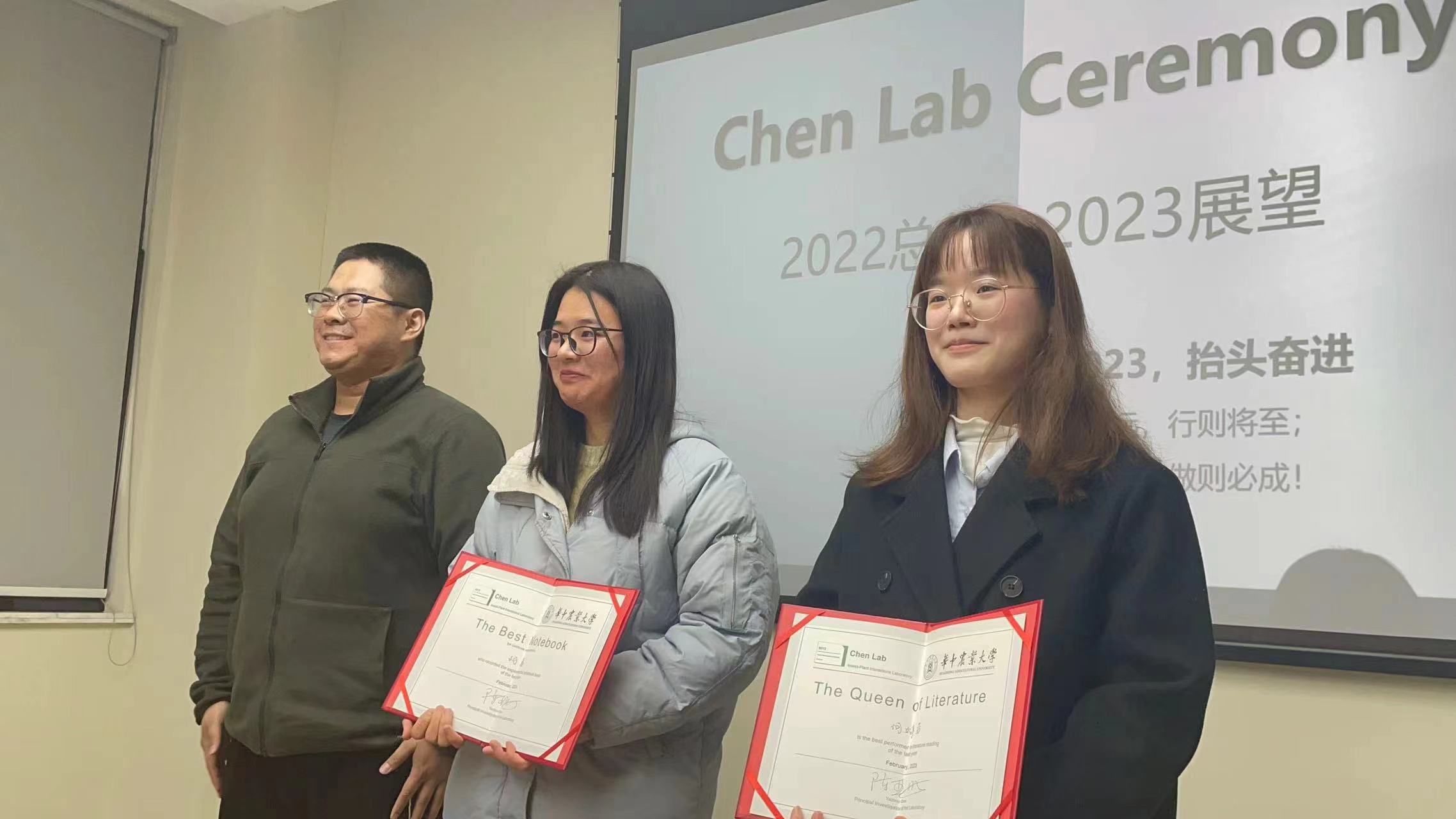
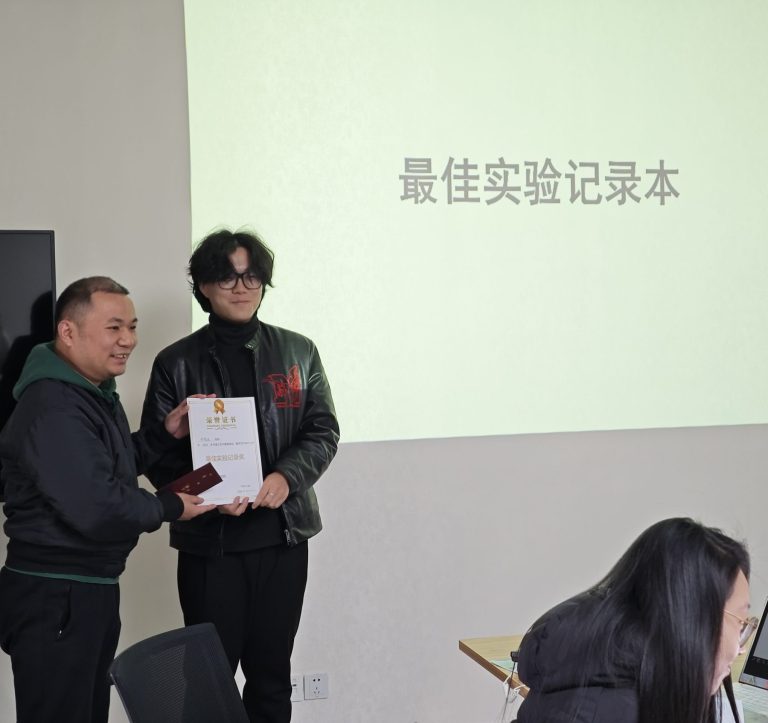
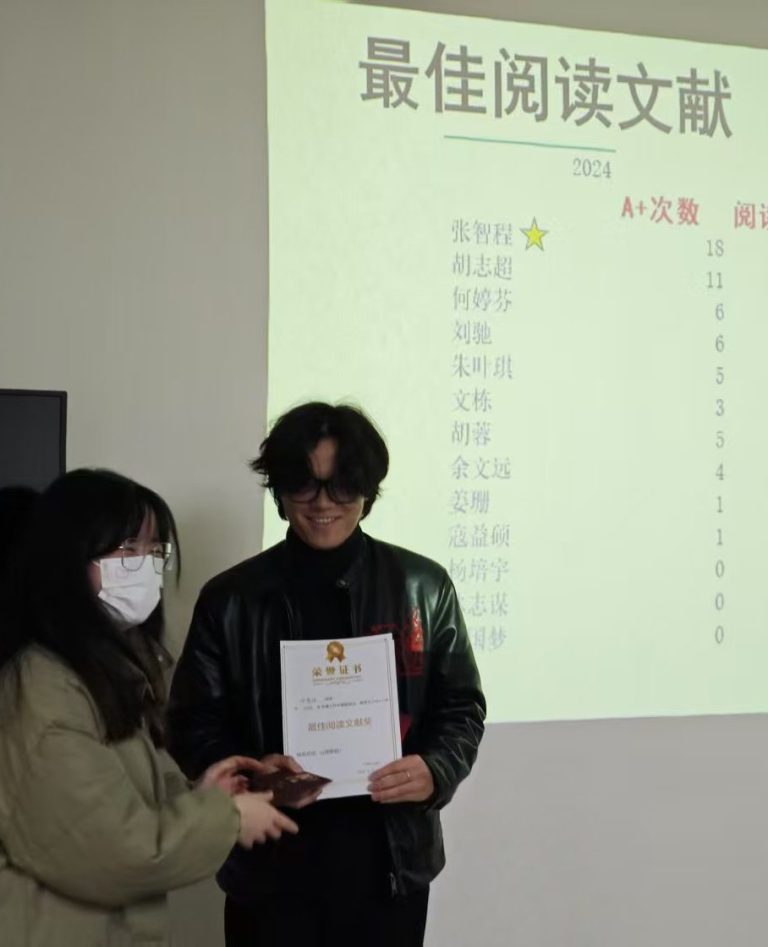
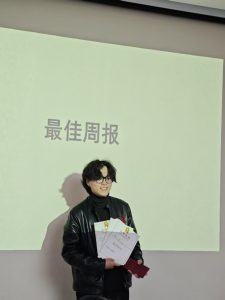
Zhicheng won the Best Weekly Report, Best Paper Reading, and Best Notebook awards for 2024, becoming the first member of the Chen Lab to achieve all three titles in a single year.
Intensive lab training can be incredibly demanding, often creating significant pressure. At times, it’s important to find ways to relieve that stress. The lab head serves as a unique role model—part mentor, part parental figure—much like Li Jing and Taiyi Zhenren were to Nezha. Although most of the time he is the serious, hard-faced Li Jing, in this video, Teacher Chen takes on the role of the silly Taiyi Zhenren.
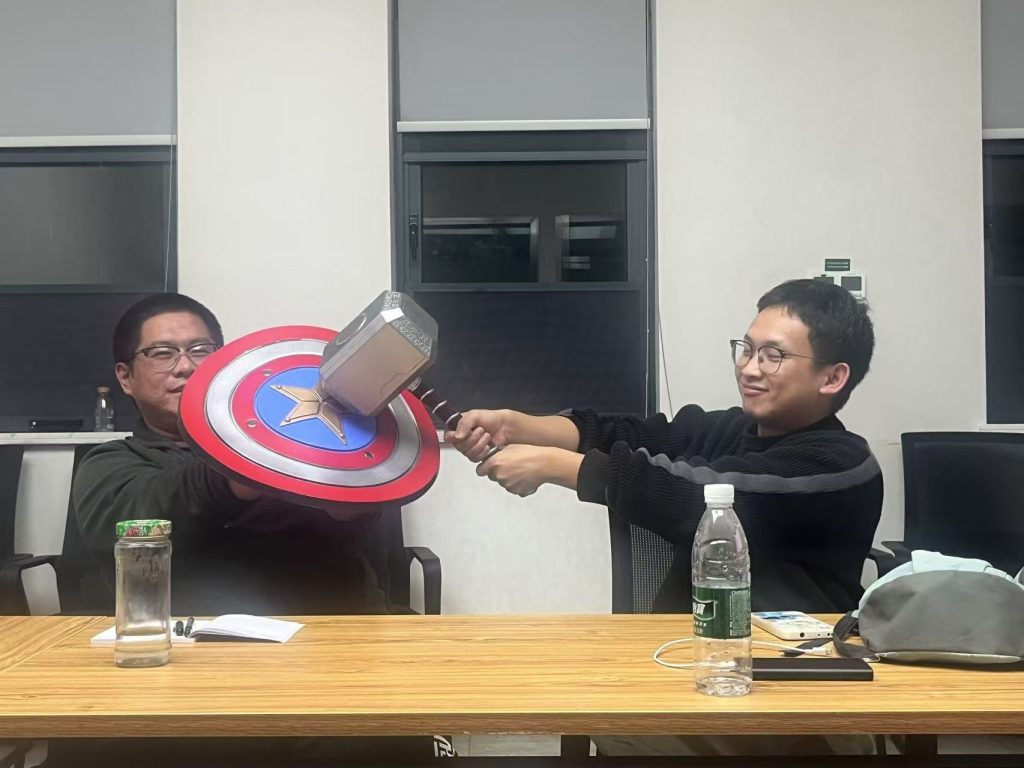
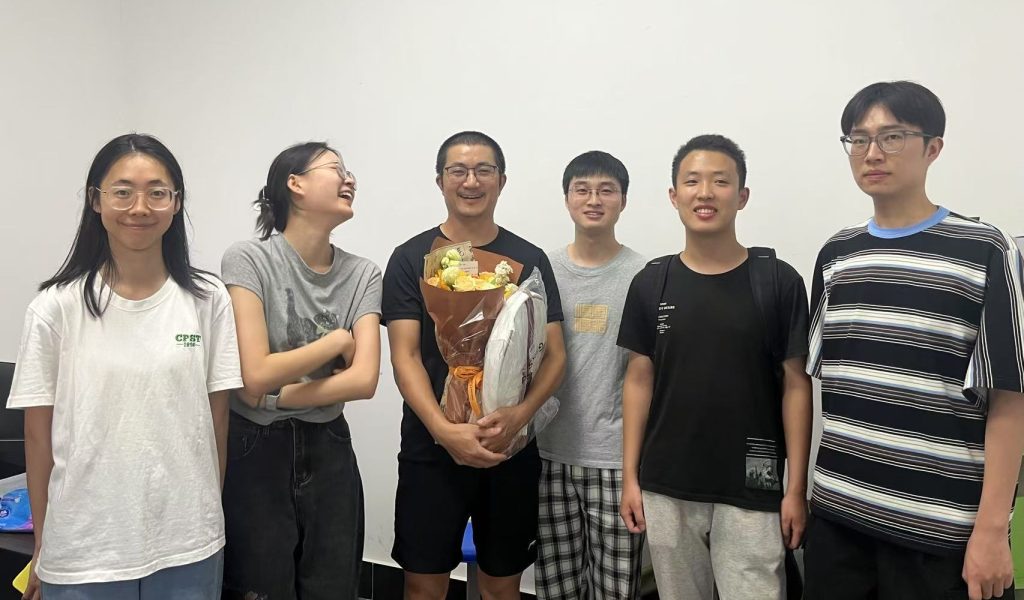
On September 10, 2024—China’s National Teacher’s Day—the new lab members expressed their gratitude to Yazhou for his mentorship. This day, observed annually on September 10th, is a cherished tradition in China where students honor their teachers for their guidance, support, and dedication.
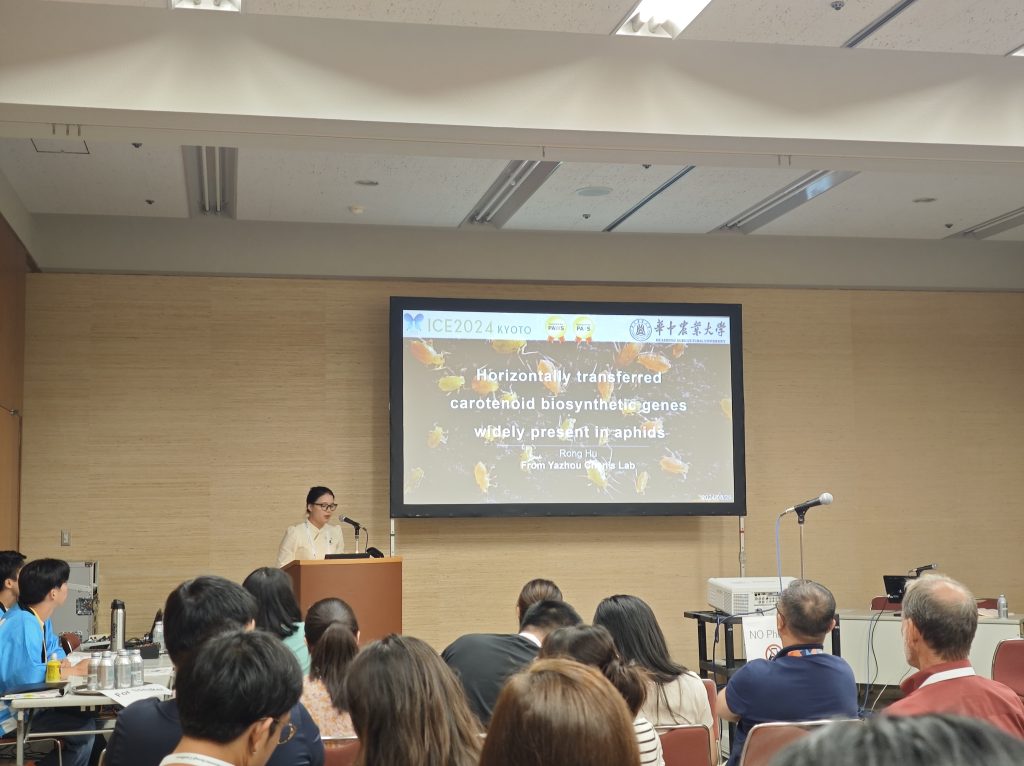
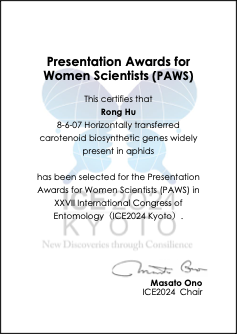
Rong is an active participant in academic conferences and has received multiple awards for her exceptional presentations. Most recently, she won the Presentation Awards for Women Scientists (PAWS) at the XXVII International Congress of Entomology (ICE2024 Kyoto).
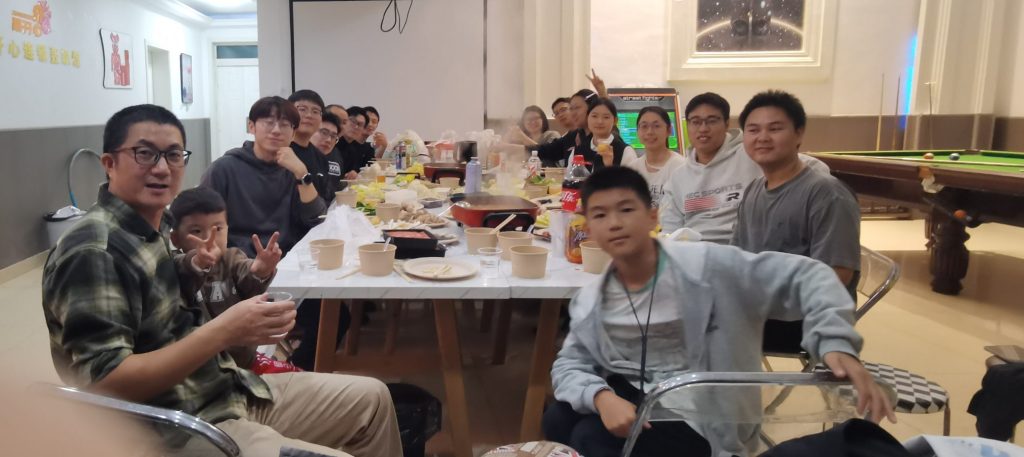
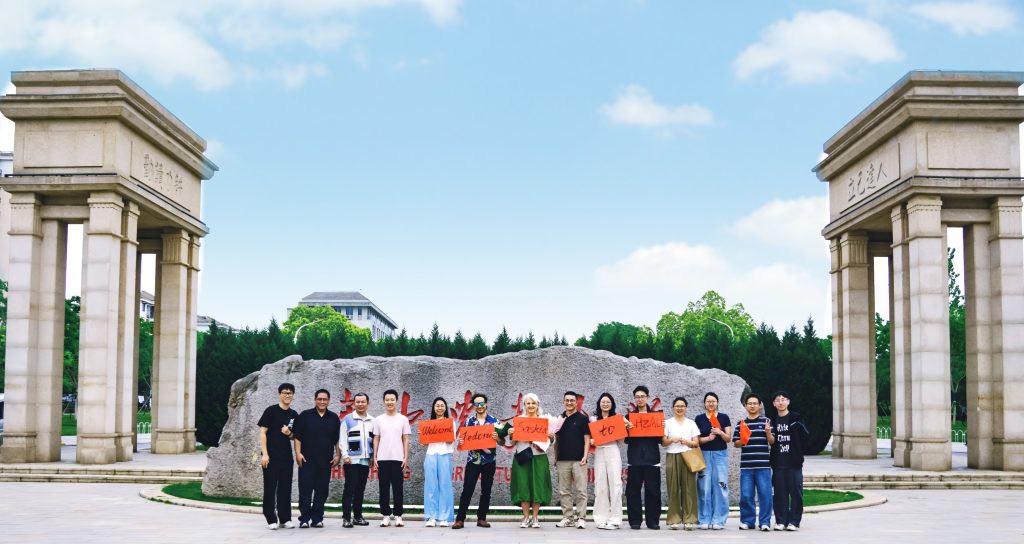
On November 2nd, 2023, Chen Lab celebrated its 3rd anniversary with a fun outing!
Shan was awarded the CSC scholarship to support her joint Ph.D. training at the John Innes Centre. She is the second student from the Chen Lab to receive this prestigious scholarship.

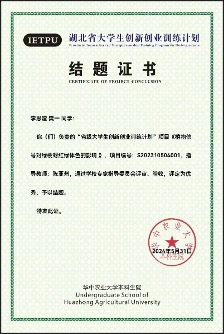
Siying, a former graduate student in the Chen Lab, conducted her graduation project with support from the Hubei Students’ Platform for Innovation and Entrepreneurship Training Program (湖北省大学生创新创业训练计划). Her project was recognized as outstanding.
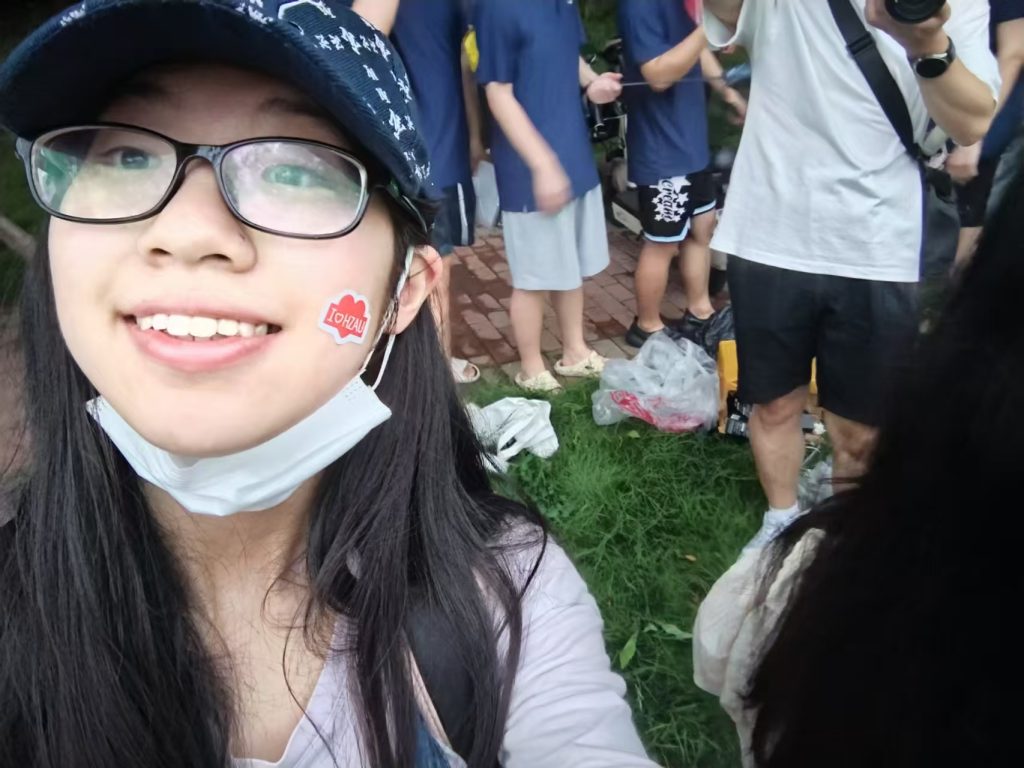
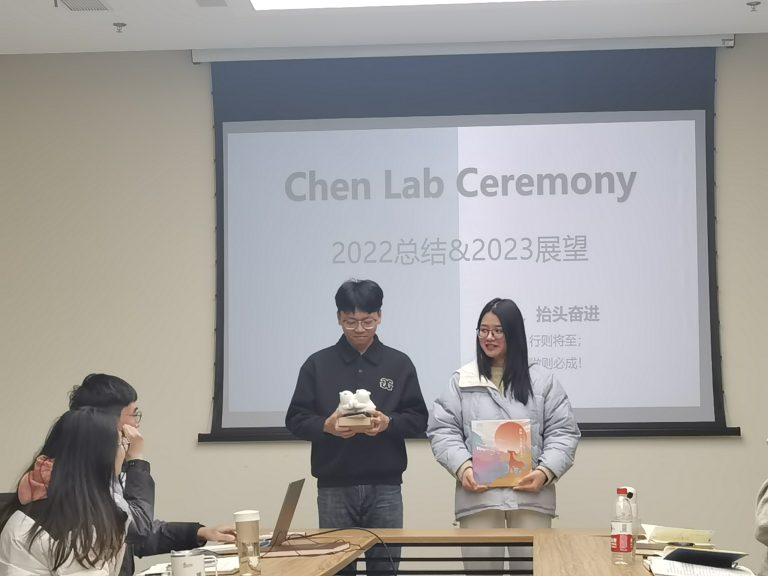
In 2022, Rong won the Best Notebook award, while Tingfen received the Best Paper Reading award.